5 Dec 2025
Pakistan has taken steps towards a more connected and resilient public health system, with the launch of a new Animal Disease Surveillance System (ADSS) pilot and progress on integrating human and animal health data under a shared One Health framework in Balochistan.
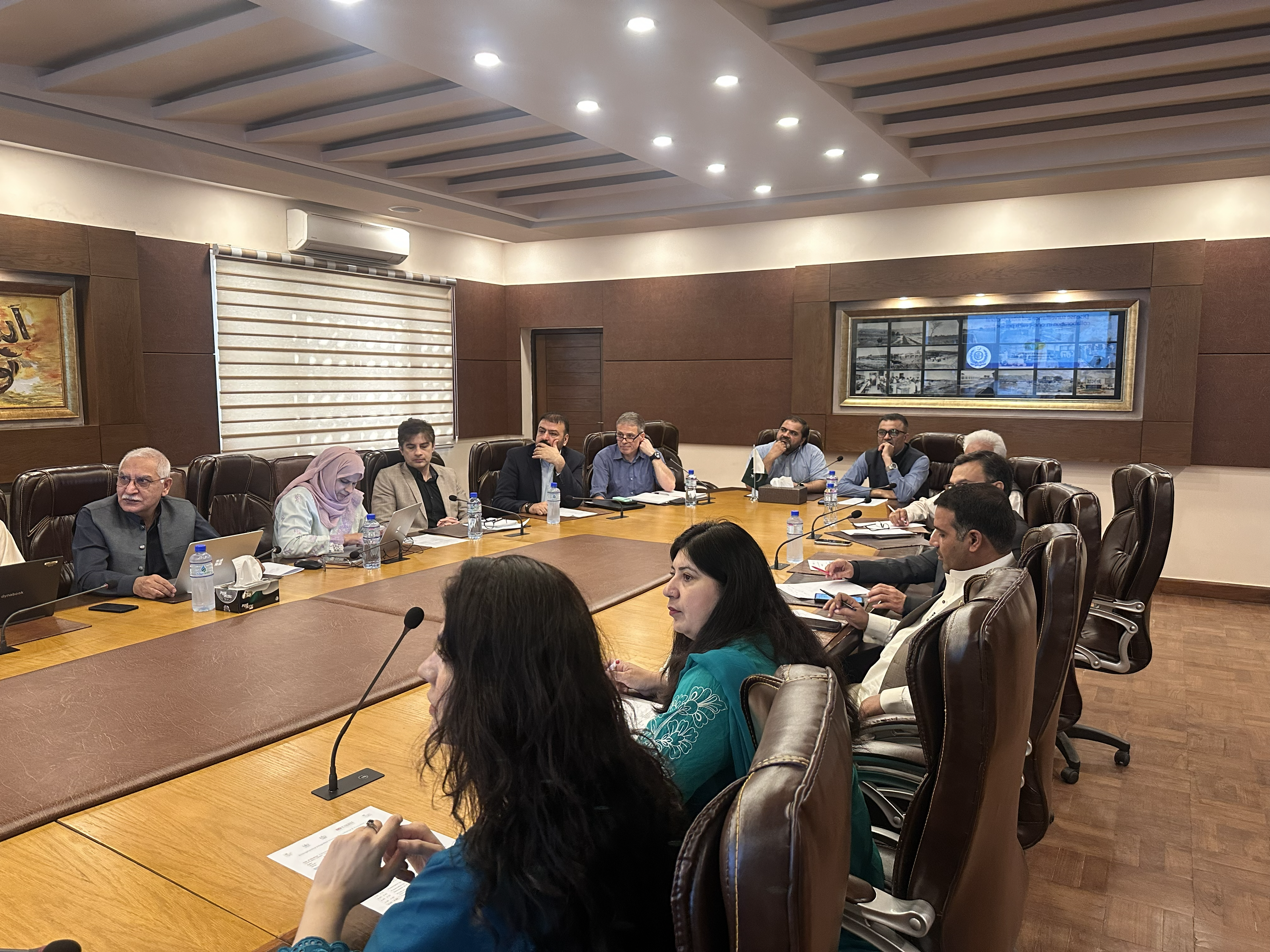
In December 2025, UKHSA’s IHR Strengthening Project brought together 24 staff from Balochistan's Livestock and Health Department in Quetta for a two-day workshop to build practical skills in using the new ADSS - learning how to report, validate and analyse disease data, and use dashboards to support decision-making. The system, built on the widely used DHIS-2 platform, is now creating real links between animal and human health surveillance for the first time, enabling better identification of zoonotic diseases and emerging health threats.
Provincial commitment laid foundations
This milestone builds on a formal Memorandum of Understanding signed in January 2025 between Pakistan's National Institute of Health (NIH) and Balochistan's Livestock and Dairy Development Department, which set out a shared commitment to align animal health data with the national IDSR framework. The Secretary of Health for Balochistan attended follow-up discussions and reaffirmed the province's ownership of and commitment to the work - an encouraging signal for long-term sustainability.
Developing the Animal Disease Surveillance System
To develop the ADSS, UKHSA's IHR-SP supported a series of technical consultations at NIH in October 2025, working with national teams and UKHSA’s UK-based technical advisers to review how health data is currently collected, stored and shared. The visits included a review of the National Health Data Centre's infrastructure and operational processes, with a particular focus on data security. Discussions explored how to better connect disease surveillance and immunisation data, improve alignment with the national DHIS2 platform, and strengthen the legal and governance frameworks that underpin data sharing across organisations.
A roadmap takes shape
The conversations were practical and forward-looking. Teams agreed on a roadmap for integration, aligned on common reporting standards, and clarified responsibilities between NIH, the Livestock Department and IHR-SP. Priority zoonotic diseases were also identified for the initial pilot phase of the ADSS in Balochistan - a grounded starting point for testing and refining the system before wider rollout.
Data governance was a consistent theme throughout. Establishing clear data-sharing agreements, defined ownership, and stronger information security practices are not just technical requirements - they are the foundation of the trust and coordination needed for different organisations to work together effectively.
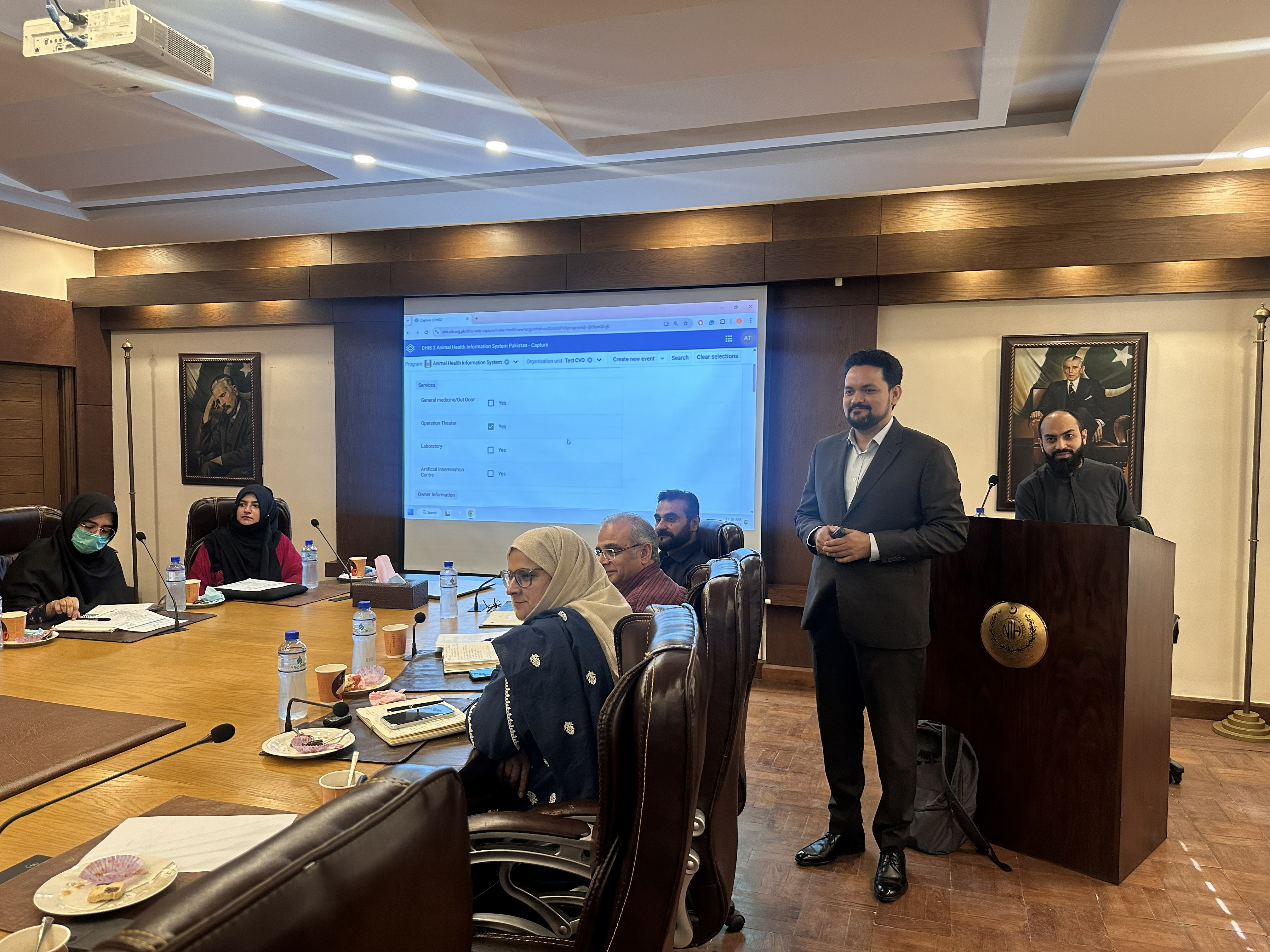
The ADSS is now being piloted across five districts in Balochistan over five months, giving the Livestock and Health Departments the opportunity to test how the system works in practice, strengthen routine outbreak reporting, and agree on consistent approaches to data collection and surveillance processes. Crucially, this is designed as a learning phase - feedback from those using the system will directly inform refinements, including updates to reporting forms and additional indicators identified by the departments themselves.
If the pilot delivers as expected, the plan is to expand to 15 additional districts within the year. For many of these areas, this would be the first structured animal disease surveillance system they have ever had - meaning faster outbreak detection, earlier warnings, and a genuinely stronger line of defence against emerging health threats.
Supporting what Pakistan has built
IHR-SP will continue to support Pakistan's national and provincial partners as this work develops, including further strengthening the use of DHIS2 for analysis, reporting and dashboards.
The progress made marks an important step towards strengthening integrated surveillance and data governance in Pakistan, supporting more timely decision-making and improved public health resilience, while advancing the operationalisation of a One Health surveillance approach.
Also By
Useful Resources
Related Articles
-
Launching the Global Health Network Middle East and North Africa Regional Network: A Path to Promote the Region’s Global Health Research Presence and Build Unity and Collaboration Towards Tackling Reg
BY Mohammed Alkhalidi -
Assessing barriers to quality trauma care in low and middle-income countries: A Delphi study.
BY gracedrury
Please Sign in (or Register) to view further.