19 Jun 2026
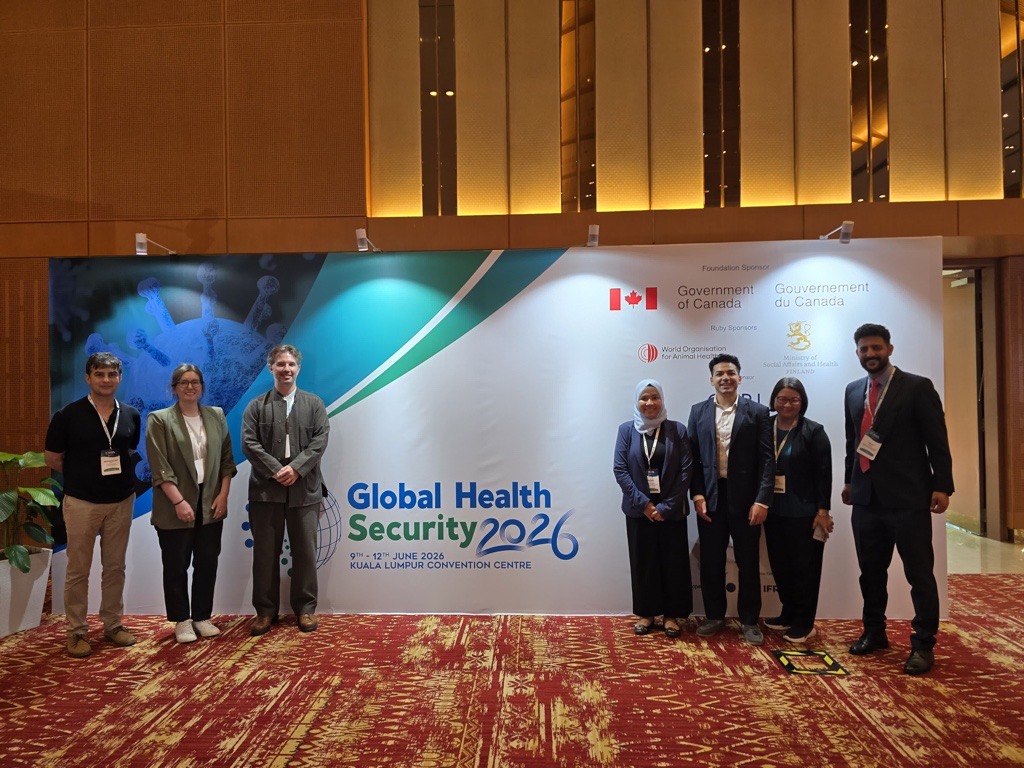
At the Global Health Security Conference 2026 in Kuala Lumpur, health security initiatives in Pakistan and the Indo-Pacific, supported by the UK Health Security Agency's International Health Regulations Strengthening Project (IHR-SP), attracted strong interest from international delegates. The conference provided a platform for teams to present their technical work, learn from national and regional experiences, spark discussions on how these approaches could be applied more widely and strengthen relationships for future collaborations.
Sustainability and impact
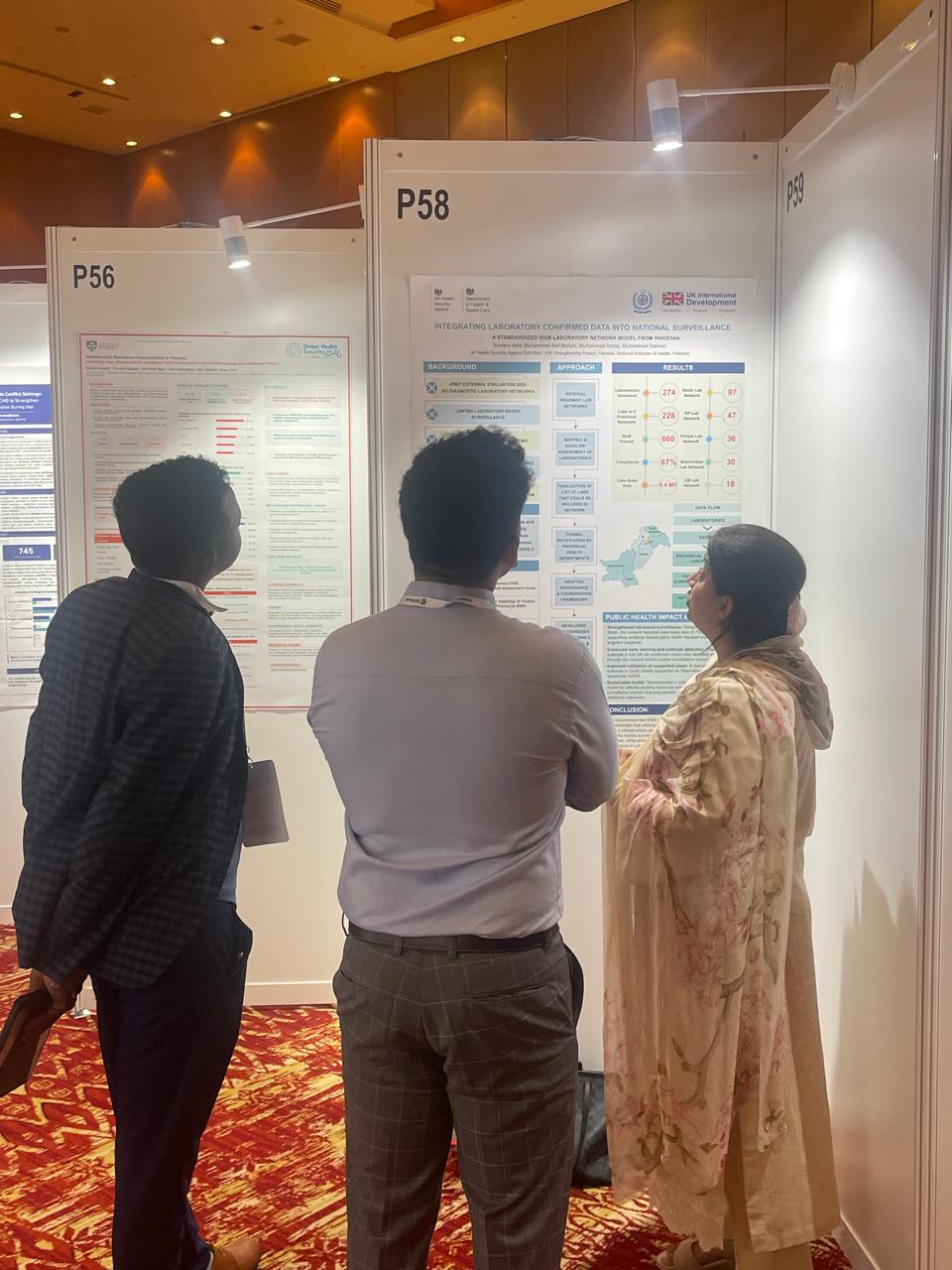
Pakistan’s standardised Integrated Disease Surveillance and Response (IDSR) Laboratory Network, presented by IHR-SP Laboratory Senior Technical Adviser Dr Sumera Abid, demonstrated how existing laboratory infrastructure, workforce capacity, governance arrangements and digital systems have been used to establish sustainable provincial laboratory networks. These networks are already strengthening early warning and outbreak detection on the ground. The interest this generated has opened a new avenue of collaboration to strengthen laboratory connectivity and surveillance systems in other settings, with IHR-SP being requested to run a workshop on laboratory systems strengthening through theASEAN Regional Public Health Laboratory Network. The conversations underscored how partner-led solutions can inspire wider regional learning and support collective efforts to build more resilient health security systems through shared priorities.
The IHR-SP-supported Public Health Emergency Management (PHEM) training programme in ASEAN was another key success story. IHR-SP Emergency Preparedness, Resilience and Response Team Lead Dr Vanessa Middlemiss presented how the programme has evolved into a sustainable regional model, with trainees being developed over the course of two years to not just become experts in PHEM, but also in training methods, facilitation skills and designing their own workshops. Now, the cohort of trainees can independently deliver training courses on PHEM in their own native languages, reflecting growing regional ownership and capacity, demonstrating how investment in workforce development continues to generate benefits beyond the project itself.
Sharing evidence and experience
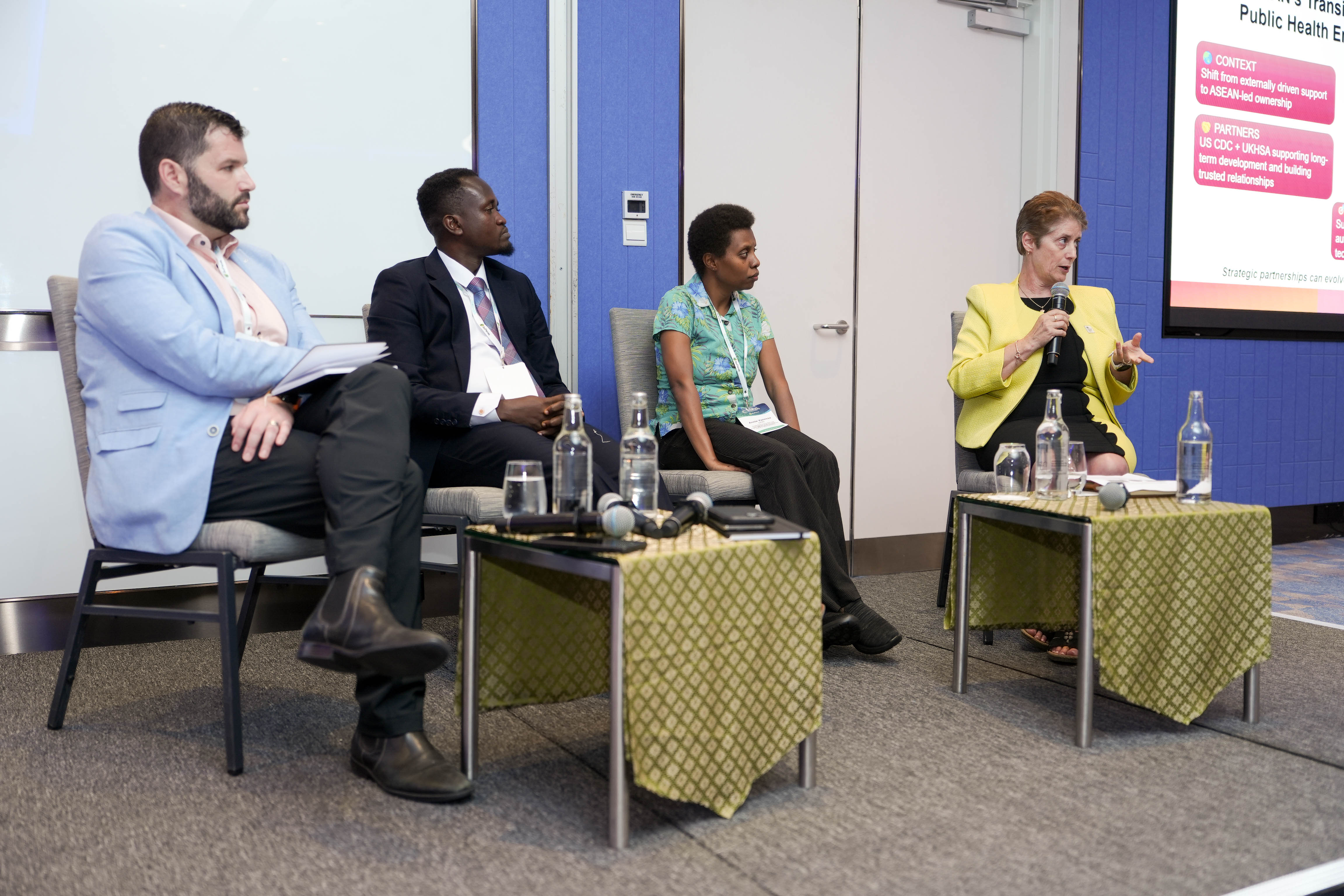
The IHR-SP Indo-Pacific team contributed to the scientific programme through panel presentations, research publications, and knowledge-sharing activities that highlighted practical experiences in strengthening IHR (2005) implementation across the region.
IHR-SP Indo-Pacific Regional Lead, Dr Ahmed Razavi, discussed how ASEAN countries are working together on preparedness, information-sharing and coordinated emergency response, while Senior Public Health Advisor to Indo-Pacific team, Meghan Cook, presented on multi-sector guidance developed with Cambodia for responding tochemical events. Dr Ahmed Razavi also co-authored four conference publications covering the region's preparations for the ASEAN Centre for Public Health Emergencies and Emerging Diseases (ACPHEED) Detection and Risk Assessment pillar, the development of the ASEAN Health Knowledge Management Platform (AHKMP), innovative use of media monitoring for dengue surveillance, and cross-border coordination at points of entry.
The team also joined the WHO Asia Pacific Health Security Action Framework Stakeholders Meeting, bringing together WHO, member states, funders and technical partners to discuss shared priorities such as workforce development and regional readiness, helping ensure IHR-SP's future work remains aligned with partner-led priorities.
Strengthening partnerships for future regional collaborations
The IHR-SP Pakistan teamshared practical lessons from the country’s work on biosecurity, protecting frontline health workers, multisectoral collaboration, and laboratory systems strengthening.
The IHR-SP Deputy Country Lead for Pakistan, Dr Muhammad Asif Bettani, participated in two panel discussions, highlighting the importance of protecting frontline health workers in fragile settings and how climate-related disasters can exacerbate biological threats and reveal gaps in multi-pathogen surveillance systems in low- and middle-income countries.
Mr Farhan Ahsan from the project management team presented Pakistan’s experience in strengthening multisectoral collaboration, demonstrating how cross-sector partnerships have improved preparedness, coordinated response, and overall health security through IHR-SP-supported approaches.
Looking ahead
The Global Health Security Conference 2026 offered a valuable opportunity to reflect on how far partner-led health security work in Pakistan and Indo-Pacific has come, and to hear directly from the international community about where it might go next. The strong interest in Pakistan's laboratory networks and the growing independence of PHEM trainees in the Indo-Pacific both point to the same underlying story: sustainable, locally owned systems that continue to deliver benefits well beyond the initial investment.
As new conversations begin around laboratory systems strengthening across ASEAN, and as regional partners continue to build on the foundations laid through this work, IHR-SP looks forward to continuing to support its partners across both regions, learning alongside them as much as contributing to their efforts.
Also By
Useful Resources
Related Articles
-
Pioneering training on “District Health Information System-2” to strengthen Integrated Disease Surveillance and Response System in laboratories in Sindh province of Pakistan
BY IHR -
Punjab takes critical step in IDSR laboratory network development
BY Dr Muhammad Sartaj, Maimoona Junaid, Dr. Muhammad Saeed Akhtar -
Gilgit-Baltistan launches new laboratory network in efforts to strengthen Integrated Disease Surveillance and Response across Pakistan
BY Dr Muhammad Sartaj, Sumera Abid -
From vision to action: Sindh’s IDSR Lab Network Review marks key progress in Pakistan’s IDSR journey
BY Dr Muhammad Sartaj -
Punjab connects surveillance, laboratories and clinicians to strengthen Mpox response across all 36 districts
BY Sumera Abid, Muhammad Asif Khan, Dr. Muhammad Saeed Akhtar, Dr Muhammad Sartaj
Please Sign in (or Register) to view further.