2 Mar 2026
Twenty-five Ethiopian clinicians are now equipped to train their colleagues in poisoning management across the country, following a training-of-trainers course held in Bishoftu, Ethiopia, in February 2026.
The course is the second in a series co-organised by the Ethiopian Ministry of Health (MoH) and the UK Health Security Agency's IHR Strengthening Project (UKHSA IHR-SP). For the first time, Ethiopian clinicians who took part in the original training in 2025 returned to leadover half of this year's sessions themselves, sharing their knowledge directly with the new cohort.
Ethiopian expertise at the centre
The seven-day programme was jointly developed by MoH and UKHSA chemical and poisoningtechnical specialists, drawing on data from the Ethiopian Public Health Institute (EPHI) and the first-hand experience of Ethiopian clinicians.
Participants were clinicians specialising in emergency and intensive care medicine selected from 15 hospitals identified by the MoH to have a high poisoning case load. The training covered the poisoning cases they encounter most often and with the greatest severity, including pesticides, heavy metals, medication overdose, carbon monoxide, toxic alcohols, plant poisoning and snakebites.
UKHSA's team brought experience from UK poison centres, offering clinical insight alongside their Ethiopian counterparts, but it was Ethiopian facilitators, many of them graduates of the first course, who delivered much of the training. This shift reflects a shared ambition to build a training model that Ethiopia can sustain and expand on its own.
Hands-on learning
The workshop combined interactive presentations with case study scenarios and hands-on skills sessions using mannequins at Bishoftu General Hospital, practising life-saving responses to common poisoning cases.
A new addition this year was a session on AfriTox, a clinical toxicology database developed in South Africa and supported by the Red Cross Children’s Hospital that helps clinicians identify toxic agents, understand risks of exposure and choose the right treatment. Participants also discussed the value of reporting poisoning cases through national surveillance systems, helping build a fuller national picture of poisoning over time.
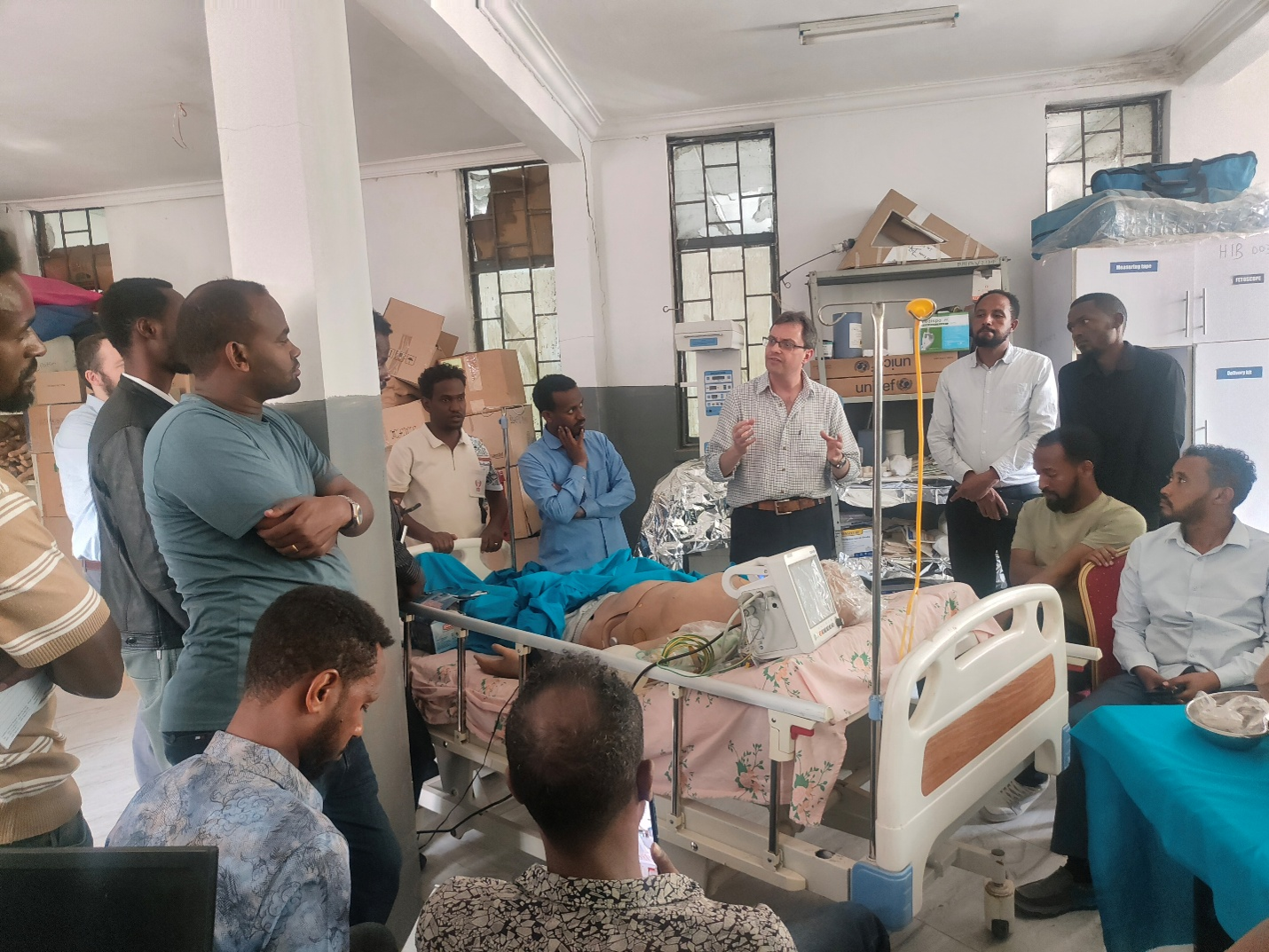
Image: participants practising life-saving responses to common poisoning cases on mannequins
What comes next
The newly trained clinicians are now set to share their skills with colleagues at both national and regional hospitals across Ethiopia, supported by national poisoning management guidelines and continued access to the AfriTox database. Ethiopia's Ministry of Health is also exploring the establishment of a dedicated poison centre, a longer-term goal that UKHSA IHR-SP is glad to continue supporting.
This growing, Ethiopian-led approach to poisoning management reflects the strength of the partnership between MoH and UKHSA, and the value of investing in local expertise that can be sustained and shared long after each course ends.
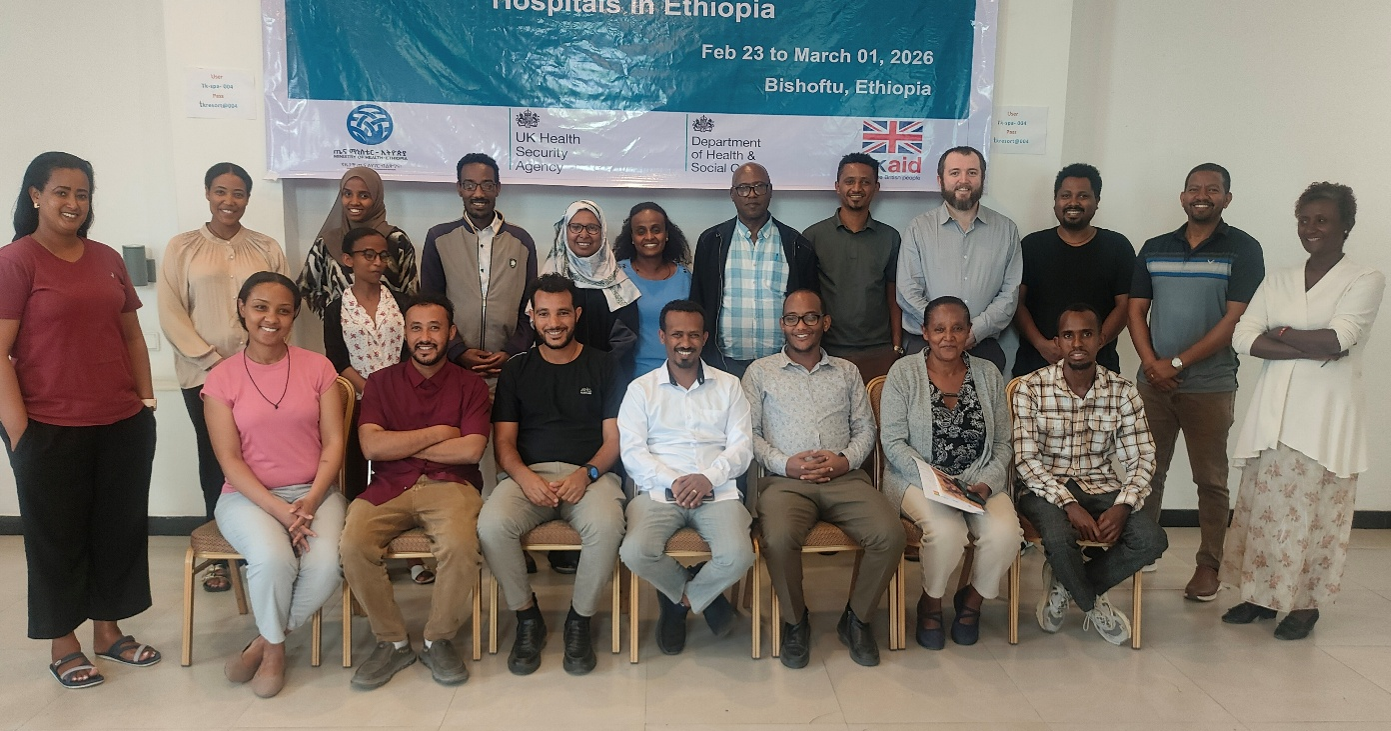
Image: training particpiants and facilitators
Also By
Useful Resources
Related Articles
-
Africa CDC's chemical detection tool moves toward regional rollout
BY Lydia Izon-Cooper, Eyob Getachew Tensaw -
Enhancing Public Health across our partner countries with Chemical Hazards online training
BY IHR -
UKHSA and ASEAN Strengthen Regional Chemical Surveillance and Early Warning Capacity
BY Inneke Suhanda, Meghan Cook, Ahmed Razavi -
Strengthening Ethiopia’s CBRN Surveillance and Response Capabilities through ‘training of trainer’ workshop
BY IHR -
Building future successes in Ethiopia’s Chemical, Biological, Radiological and Nuclear (CBRN) Performance with collaborative Annual Review meeting
BY IHR
Please Sign in (or Register) to view further.